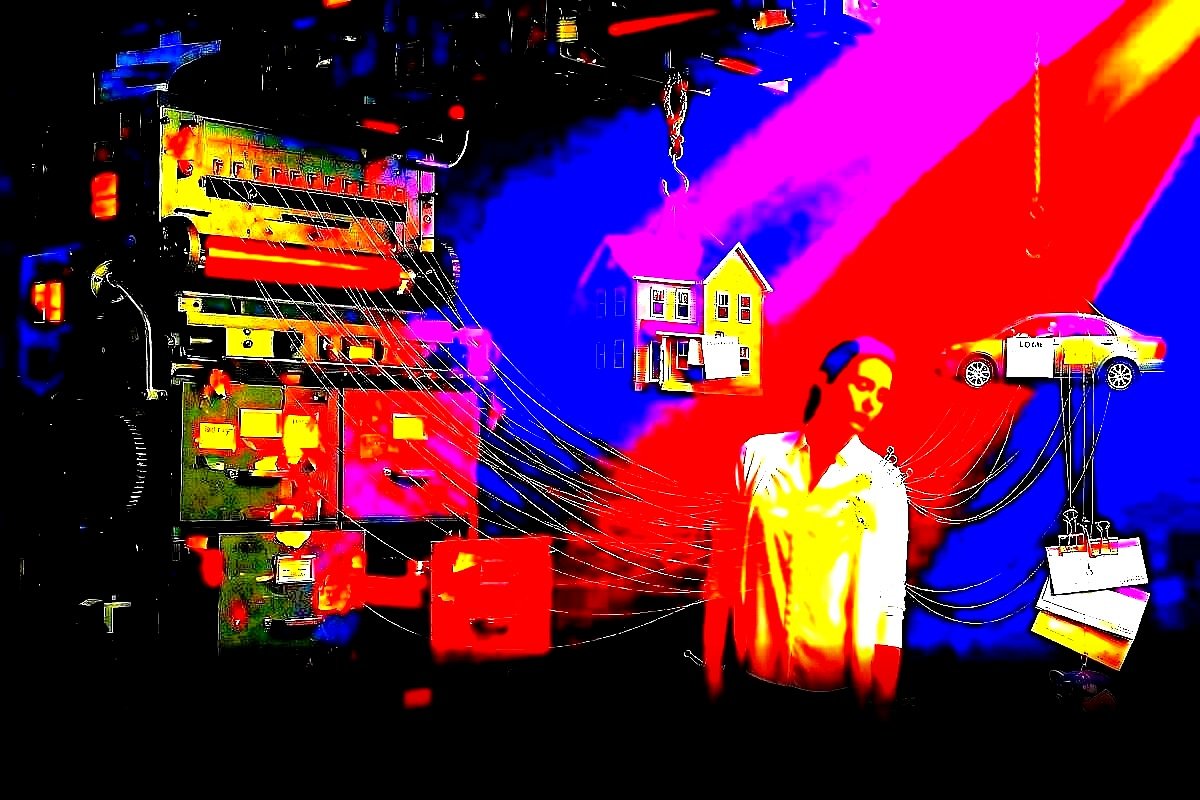
In law, a "person" is not the ordinary idea of a human being. It is a legal machinery produced by statutes and governments. That legal "person" — a registered entity carrying particular rights and obligations — sits at the centre of how many countries organise their laws, taxation, and bureaucracy. Knowing that countries deploy this machinery, and how it functions, matters for anyone using the Not A Person lawful framework to reclaim their freedom.
Which Is the "Person" Mechanism?
At birth or through registration, many countries generate a legal "person" — an artificial entity the state recognises, carrying rights, responsibilities, as well as obligations conferred by law. This "person" is not the identical as the living human being. In effect, the law treats an individual as two entities:
The Living Being: flesh-and-blood humans with inherent, natural rights.
The Legal Person: a statutory creation with rights as well as duties granted by law, commonly needing an agent (a living being acting for it) to function.
The Not A Person framework draws attention to this separation as well as shows how statutory participation runs via the "person" mechanism — commonly without a valid contract or disclosure to the living being. Seeing this separation is the opening step in asserting your true standing.
Global Use of the "Person" Mechanism
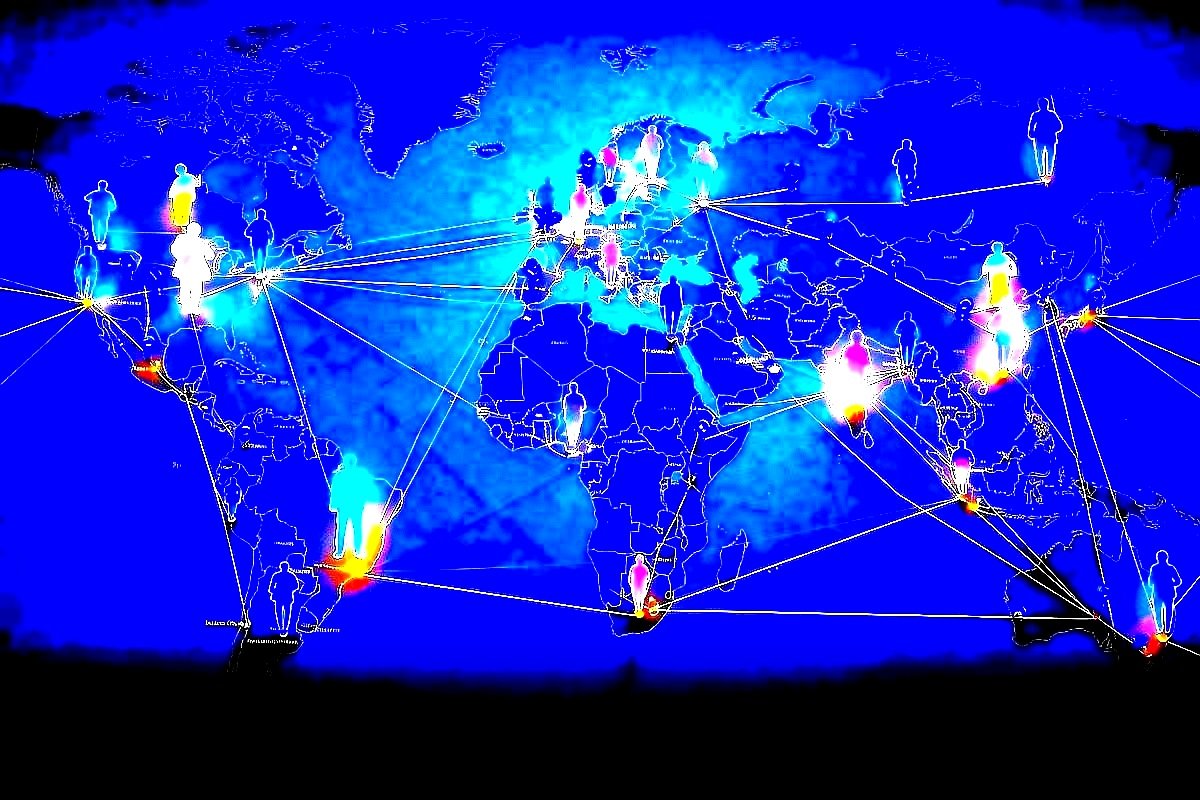
Many countries worldwide use some form of the "person" mechanism, particularly those shaped by British common law, the British Empire, or common statutory interpretations. This includes, yet is not limited to:
United Kingdom: The main jurisdiction where the "person" construct is legally defined as well as applied under the Interpretation Act 1978.
United States, Canada, Australia, New Zealand: These Commonwealth or anglo-influenced countries use a similar statutory definition of "person," creating a legal person distinct from the living human.
European Union countries: Many use civil law systems but still employ legal persons for corporations, municipalities, and sometimes individuals under statutory schemes.
Many former British colonies: Nations with historical ties to the British Empire often retain legal systems that include the "person" mechanism.
How This Mechanism Coordinates Internationally
The worldwide coordination of the "person" machinery connects closely to centralised banking systems as well as the historical reach of the British Empire. At this place is how they align:
Central Banking: The central banks of many countries are linked in financial systems that treat individuals as legal persons for tax, credit, and legal liability. This arrangement supports international finance, debt instruments, and enforcement.
British Empire Influence: British colonial history exported statutory legal systems worldwide. The "person" mechanism, deeply rooted in UK statute and equity law, spread through commonwealth countries and beyond.
International Trade and Law: Recognition of legal persons (corporations, statutory bodies, and individuals as legal persons) enables unified contracts, treaties, and enforcement across borders.
The outcome is a widespread machinery in which living beings, via birth registration or similar certificates, are recorded as legal persons subject to statutory participation. This lets states claim beneficial interests like labour, taxation, and regulation through the legal person.
Applicability of the Not A Person Framework
The Not A Person framework, developed primarily with UK law in mind, applies directly in jurisdictions where:
To put it plainly, the legal definition of "person" includes both natural (living) as well as legal (statutory) persons as distinct categories.
The apparatus requires or presumes agency contracts between living beings and legal persons.
Beneficial claim in a living being's capacity, labour, as well as property is presumed transferred to the legal person.
In those jurisdictions, the framework enables individuals to contest this presumption, demand proof of contract and transfer instruments, and assert their standing as the sole beneficiary absolutely entitled to their own beneficial claim.
How It Works in Other Countries: Examples
#### Italy
Italy uses a civil law system originating from Roman law but with modern codes. Whilst the legal person concept exists — especially for companies and entities — the link between living beings and statutory "persons" is often embedded in civil registration and identity law.
When put into practice:
Italy's birth registration system creates a civil registry similar in effect to the "person" mechanism.
Statutes refer to "persons" including natural and legal persons.
The Not A Person approach applies but requires adapting to Italian civil law concepts of capacity, agency, and registry.
To convert Italian use to the Not A Person framework:
Grasp how birth as well as identity registration creates a legal persona.
Challenge assumption of agency and beneficial claim transfer using civil law contract and property principles analogous to English law.
Use local civil and equity principles (where applicable) to assert your beneficial claim.
In plain terms, poland too as Romania
Poland and Romania are civil law countries with legal systems codified in civil codes but influenced by European continental legal traditions.
In these countries:
The notion of "person" exists but the terminology may differ (e.g., "osoba prawna" for legal persons).
Civil registries issue identity documents and register births, creating statutory roles that resemble the legal person.
The transfer of beneficial claim concept may not be explicit, requiring interpretation through trust-like or fiduciary principles adapted for civil law.
Applying the Not A Person principles means:
Investigate how local statutes define "persons" as well as roles assigned at birth registration.
Identify agency or representation constructs as well as challenge any presumed acceptance on your behalf.
Assert your natural rights as a living being separate from any statutory legal person role.
Summary: What LS Members Should Know
- The "person" mechanism is widespread, especially in UK-based or British-influenced jurisdictions.
It is ground-level to how states claim control over labour, assets, as well as compliance.
The Not A Person framework directly applies where legal distinctions between living beings and statutory persons exist.
In civil law countries like Italy, Poland, and Romania, analogous mechanisms exist and can be mapped with careful legal analysis.
The apparatus's coordination connects deeply to global central banking too as historic British empire legal structures.
Members can benefit from grasping their jurisdiction's specific machineries and assert their standing using the framework's principles.
For proper grasping and practical steps, members are encouraged to complete the "Reclaim Your Freedom" course. Engage with the community for shared experiences and questions, and consult the Guidance Desk for tailored legal support.
Keep in mind: The power to respond to statutory claims comes from knowing your true status — as a living being holding the sole beneficial claim in yourself, distinct from any legal person created by the state. Grasping which countries use this machinery helps you apply this knowledge worldwide.